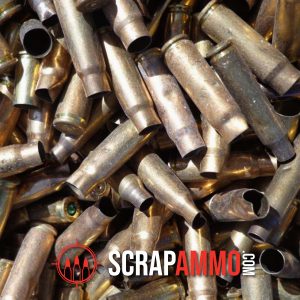
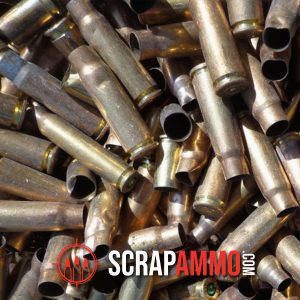
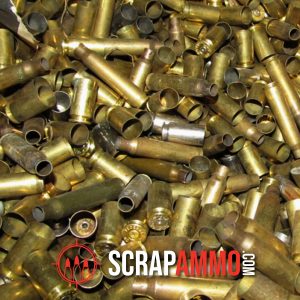
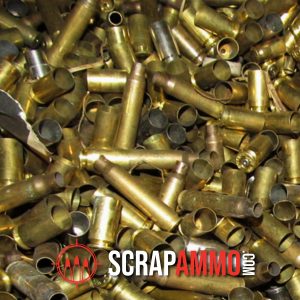
Ammo must be idle to be reused. Live cartridges can’t be reused in light of the fact that they may detonate. The lead slug in live ammo defiles the shell’s brass; thus, recyclers think that its difficult to isolate lead from brass. The brass shell packaging recycling framework comprises of:
-
Sort the shells by material; they typically consist of brass, aluminum, or steel, and sometimes may contain chrome, nickel, silver, or even gold.
-
Discard the sorted shells.
-
After sorting, subject the shells to high heat in a kiln to detonate any live rounds that might have slipped through.
-
Once cooled, a quality control supervisor examines the shells.
-
Clean the shells thoroughly; the cleaners rinse them to remove as much lead and dirt as possible.
-
Inspectors then run the cleaned and “popped” shells through a shaker table to remove unwanted materials like live rounds.
-
Next, a hammer mill or shredder deforms the shells into smaller pieces, allowing the aggregator machine to load them for transportation.
-
Finally, transport the shells to a brass mill, where they melt and blend them with metallic elements to achieve a specific mix. Once this is complete, shape the shells into rods or ingots.
ScrapAmmo.com buys scrap brass cartridges from wherever in the United States. On account of transportation costs, recycling brass shell casings that are further away can represent an issue. In any case, ScrapAmmo.com will work with you to beat the difficulties.
In the wake of grasping the recycling method, it is fundamental to comprehend why this procedure is huge.