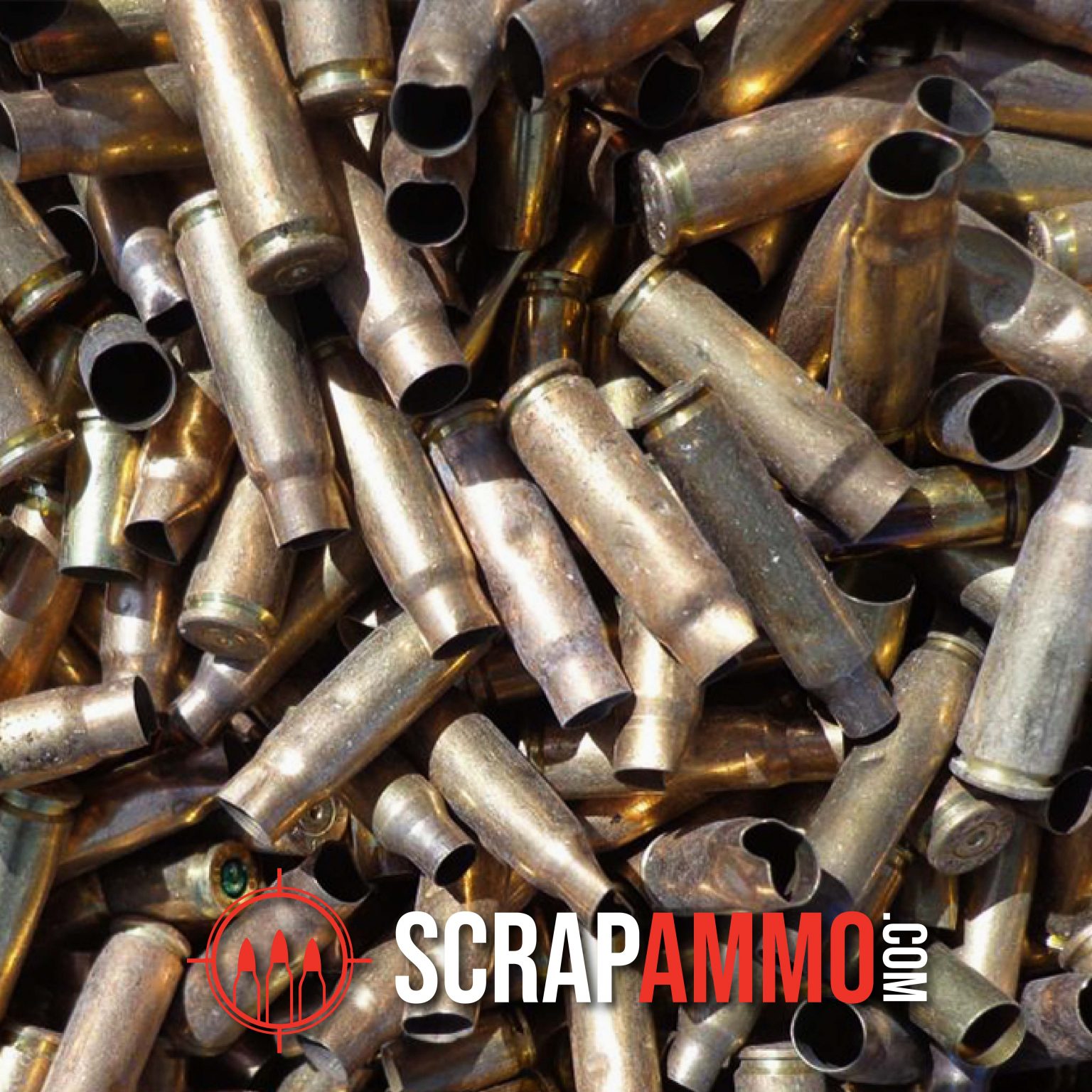
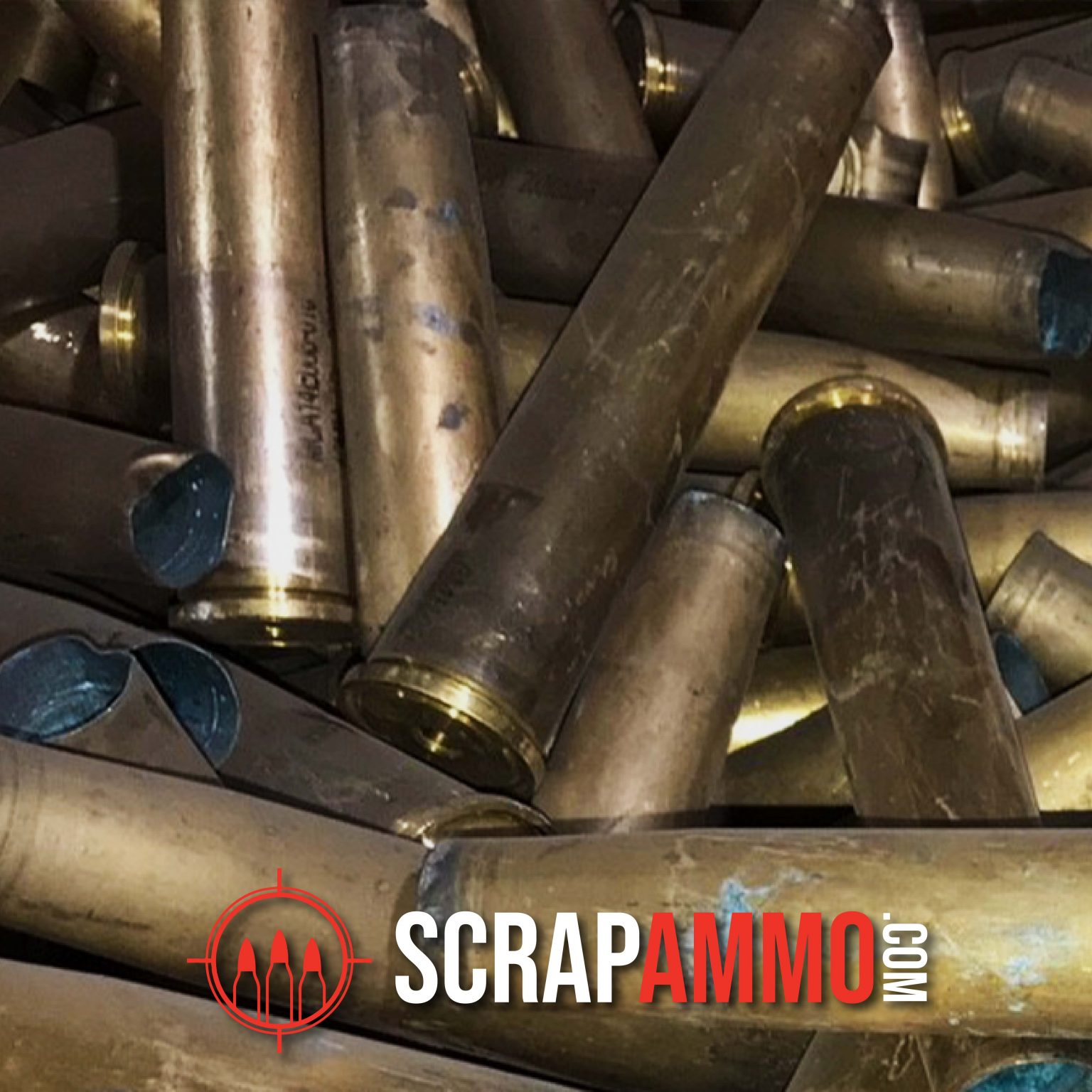
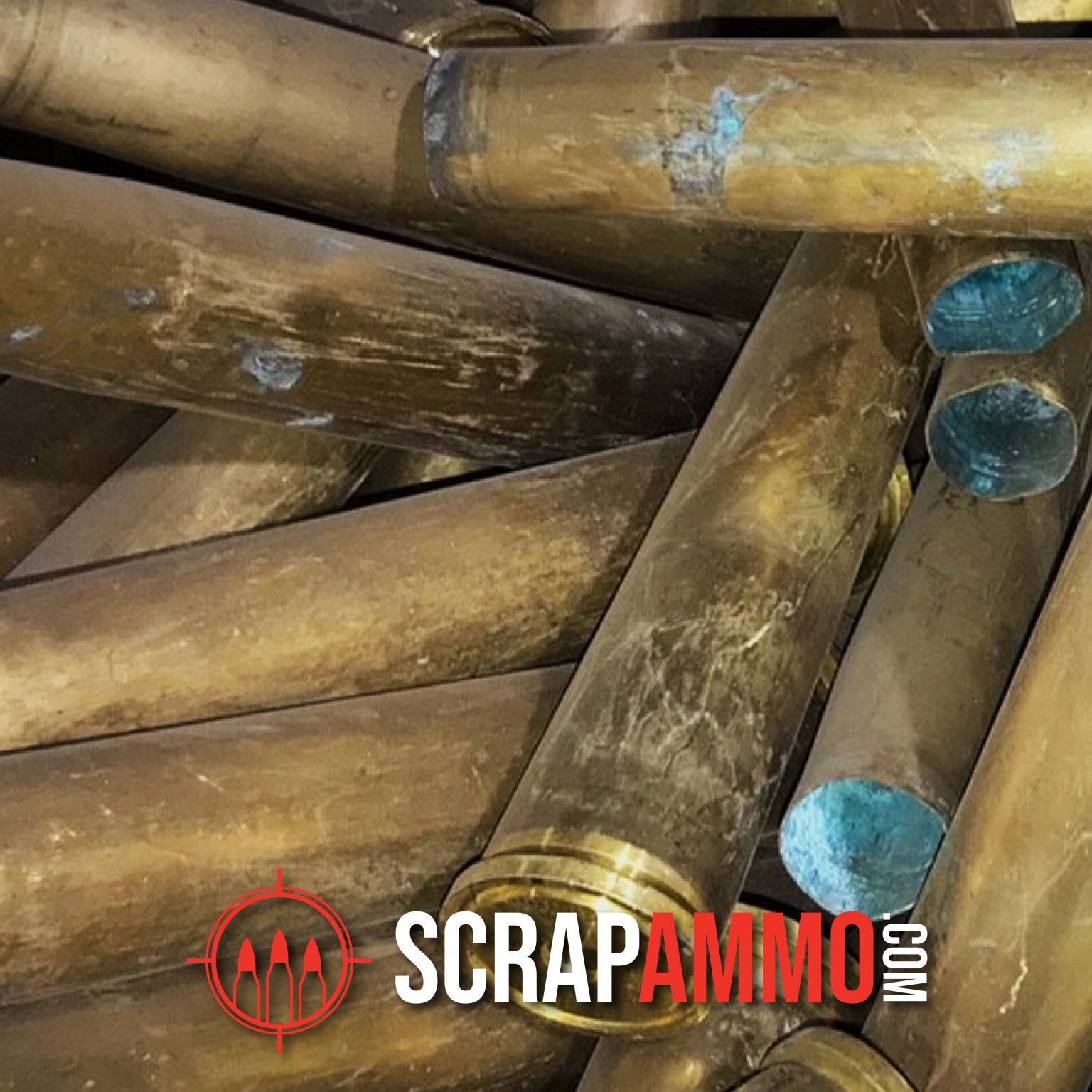
While there are different many types of ammunition including steel, brass reigns the most popular. With a plenitude of scrap brass ammo being utilized each day, there is an abundance of ammo that is as a rule erroneously discarded. This improper discarding leads to pollution and damage to the environment. However, it is vital to understand how to properly recycle brass shells.
Before one can understand the recycling process, one must be familiar with the different parts of ammunition:
- The Projectile
- The Packaging
- Black Powder
- The Groundwork
Information on these parts is basic before starting the recycling methodology. The brass shell recycling process comprises of:
- Sort the shells by material; they typically consist of brass, aluminum, or steel, and sometimes may contain chrome, nickel, silver, or even gold .
- Discard the sorted shells.
- After sorting, subject the shells to high heat in a kiln to detonate any live rounds that might have slipped through.
- Once cooled, a quality control supervisor examines the shells.
- Clean the shells thoroughly; the cleaners rinse them to remove as much lead and dirt as possible.
- Inspectors then run the cleaned and “popped” shells through a shaker table to remove unwanted materials like live rounds
- Next, a hammer mill or shredder deforms the shells into smaller pieces, allowing the aggregator machine to load them for transportation.
- Finally, transport the shells to a brass mill, where they melt and blend them with metallic elements to achieve a specific mix. Once this is complete, shape the shells into rods or ingots.
This procedure of recycling brass shell casings can create an abundance of reusable materials. Since the method has been clarified, it is basic to know the impacts a framework like this can make.